From Our Own Reports

What we
actually find.

Seven common findings from 596 of our buyer home inspections in the Charlotte area, from 22 September 2025 to 21 September 2026. Real houses, real photos from our inspections, and exactly how we counted.

Seven Common Findings

How often our reports recorded it.

Each number is the share of the 596 inspections where our report recorded that finding, counted once per inspection. Age doesn't mean the equipment has failed, and a stain doesn't always mean an active leak. More on both below.

Heating/cooling equipment nearing, at or past its typical service life49%
291 of 596 inspections
Efflorescence: white salt deposits left by moisture on the foundation or masonry45%
266 of 596 inspections
Toilet loose at the floor45%
266 of 596 inspections
Moisture staining on interior walls, ceilings or floors42%
251 of 596 inspections
Water heater nearing, at or past its typical service life36%
216 of 596 inspections
Slow drainage at a sink, tub or shower36%
213 of 596 inspections
GFCI protection did not trip when tested28%
167 of 596 inspections

We also recorded cracking in driveways, walks or patios in 78% of inspections (462 of 596). A common finding isn't necessarily a serious one.

Four, Up Close

What they look like on the day.

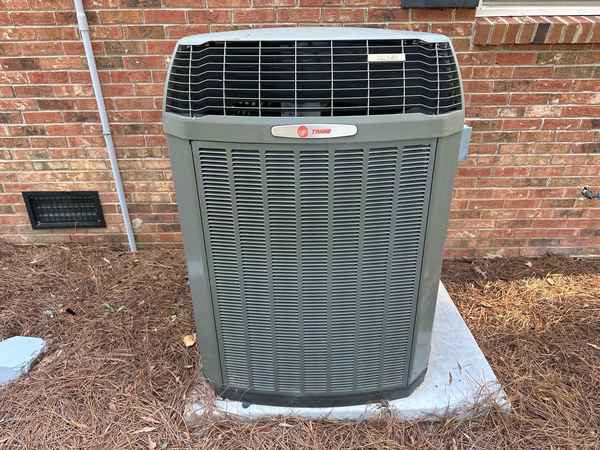
An outdoor heat pump unit beside a brick house
The outdoor unit.
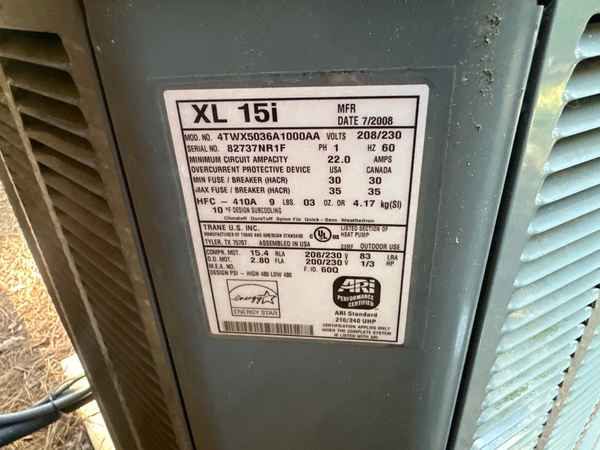
The unit's data plate, showing a manufacture date of July 2008
Its data plate: made July 2008.
49%
291 of 596 inspections

Heating and cooling equipment with some age on it

This unit looked tidy from the yard. Its data plate shows the outdoor unit was manufactured in July 2008. Age is something you can plan around, and a buyer should know it before closing.

An older system isn't a broken one, and plenty keep running for years. Age alone is a budgeting question; any operating or safety problems need separate attention.

What to do: ask the seller for service records, have it serviced, and plan for replacement instead of being surprised by it.
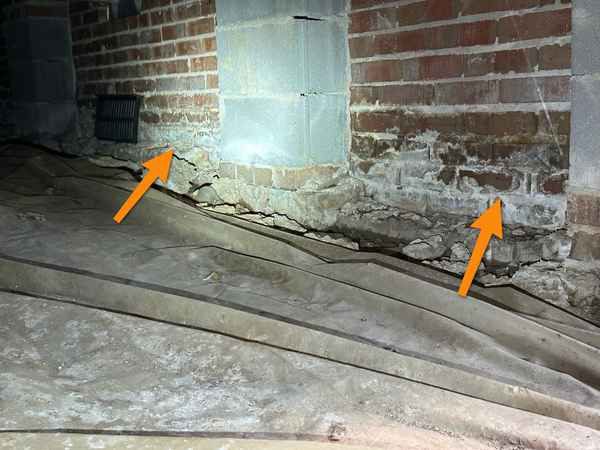
White, crusty salt deposits along the base of a brick crawl space wall, marked with orange arrows
White salt deposits along a crawl space wall.
45%
266 of 596 inspections

Efflorescence

That white, chalky crust is salt. Water moves through brick, block or concrete, then evaporates and leaves the minerals behind. The deposits themselves are usually harmless, but they show that moisture carried salts to the surface. They don't tell you whether moisture is still getting in.

What to do: find the moisture source and whether it's still active. Gutters, downspouts and the slope of the ground around the house are good places to start.

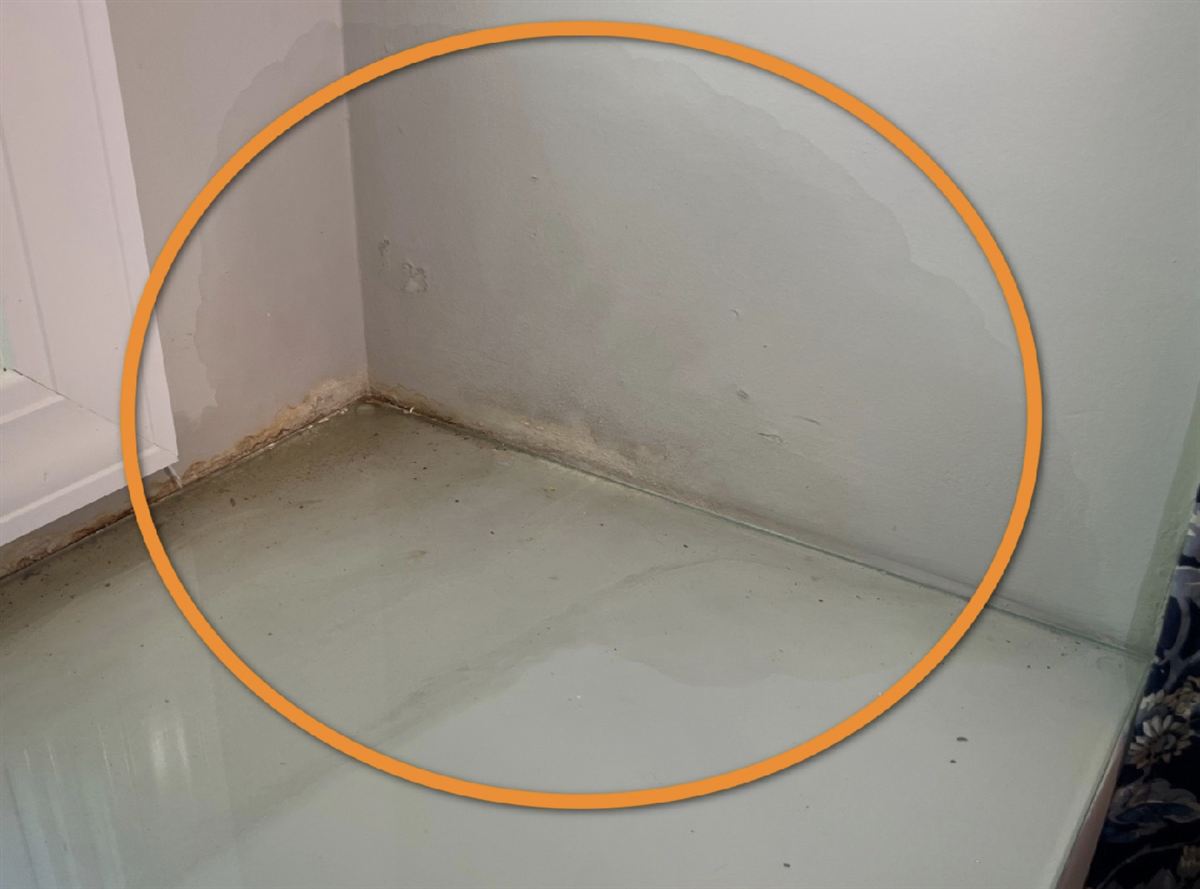
Water staining on a wall and floor at an inside corner, circled in orange
Staining at an inside corner.
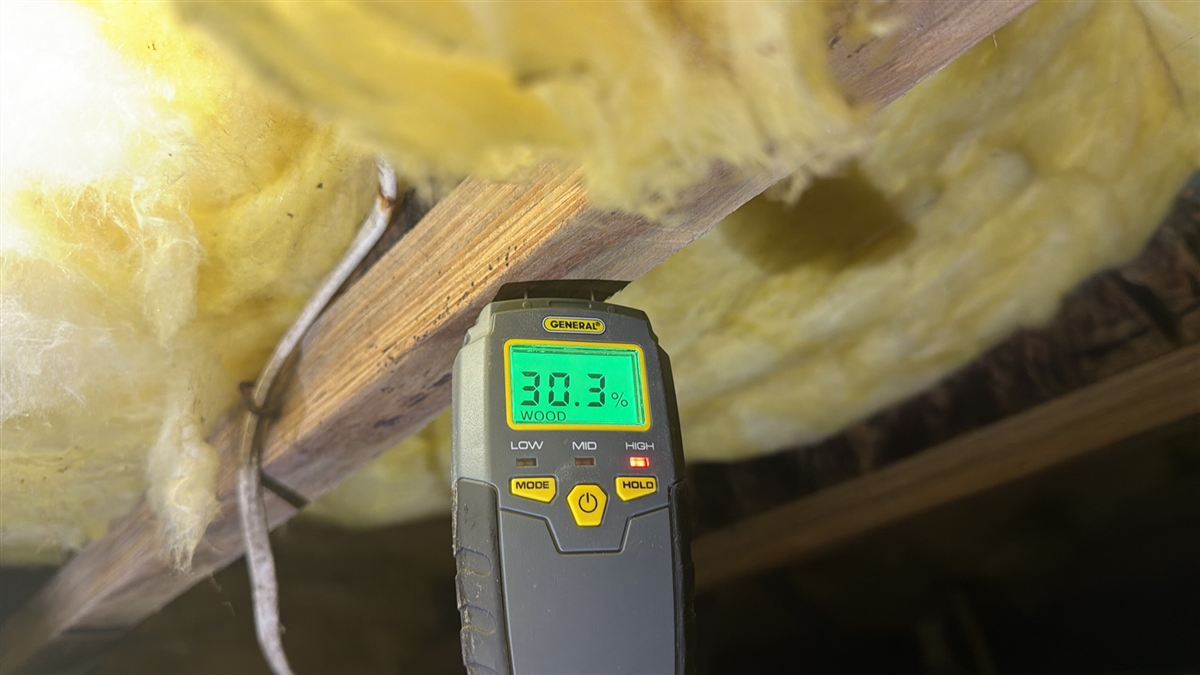
A moisture meter reading 30.3 percent on a crawl space floor joist, with the HIGH light on
A crawl space joist reading 30.3% on our meter.
42%
251 of 596 inspections

Moisture staining inside the house

A stain tells you water got there at some point. It doesn't tell you whether it's still happening. A moisture meter helps us assess the stained areas we can reach during the inspection.

Many stains are old and dry. The meter in the second photo was on a crawl space floor joist in a different house, and it read 30.3% with the HIGH light on. That elevated reading called for further investigation. A dry reading describes the spot tested that day; it doesn't rule out a leak that comes and goes.

What to do: if a stain reads wet, have the source found before you close. If it reads dry, ask the seller what happened and whether it was fixed.

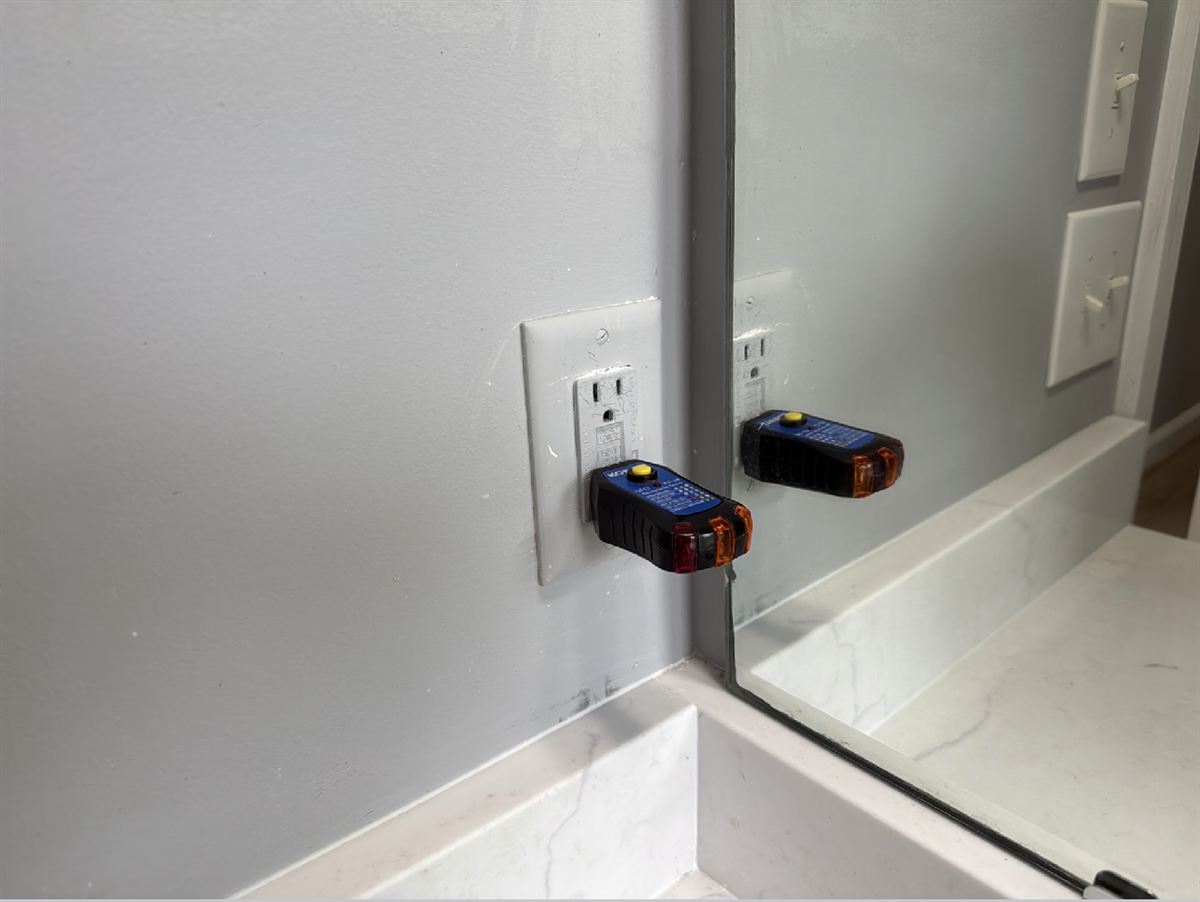
A GFCI tester plugged into a bathroom outlet beside a mirror
Testing a bathroom GFCI outlet.
28%
167 of 596 inspections

GFCI protection that didn't trip

GFCI protection is meant to cut the power in a fraction of a second if electricity starts going where it shouldn't, like through water or a person. You'll find it near sinks, in bathrooms and garages, and outdoors. We use a tester that simulates a ground fault. In 28% of inspections, our reports recorded at least one location where GFCI protection did not trip during testing. That result needs further evaluation to find the cause.

What to do: have an electrician evaluate it and make any needed repairs before you move in.

Two Stories From Our Inspections

One line on a report. What it turned into.

The new-construction warranty inspection below is separate from the 596 buyer inspections counted above.

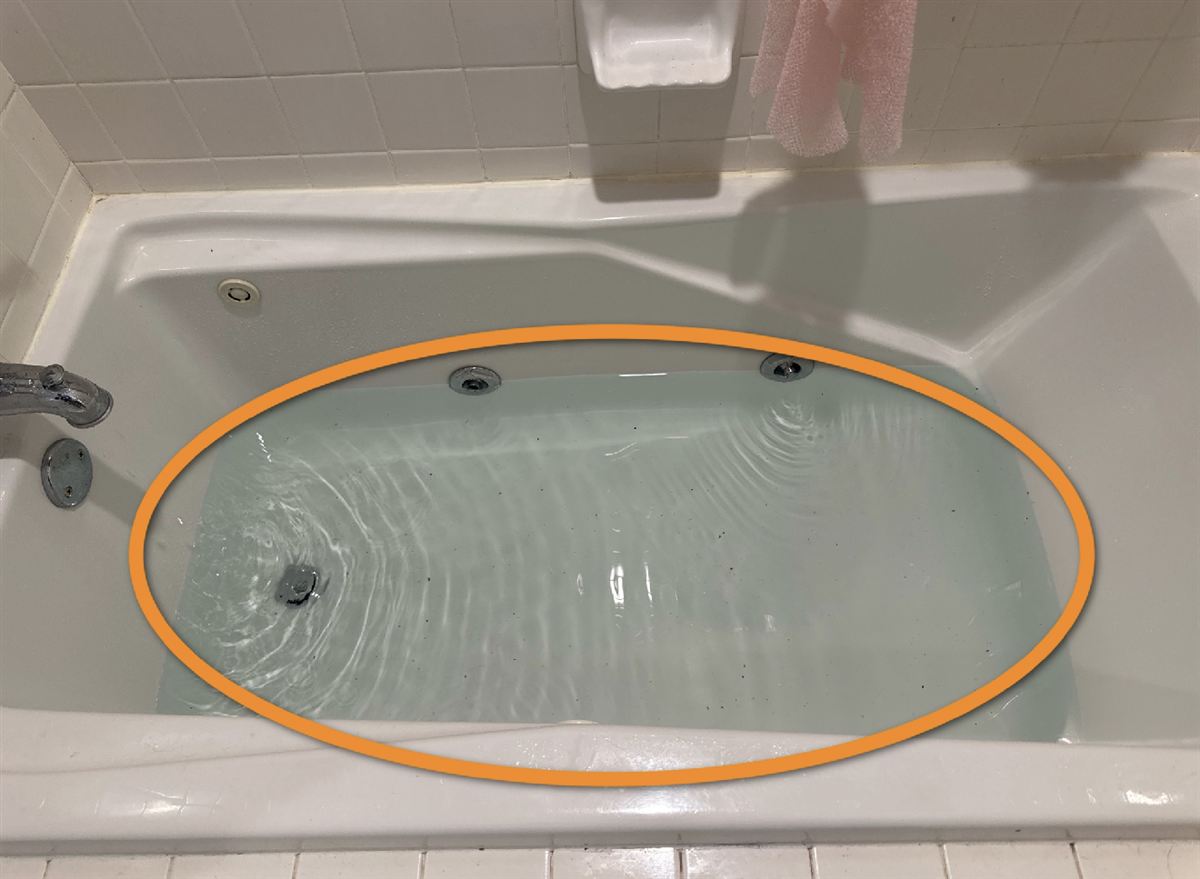
A bathtub holding water that is draining slowly, circled in orange
The slow tub.
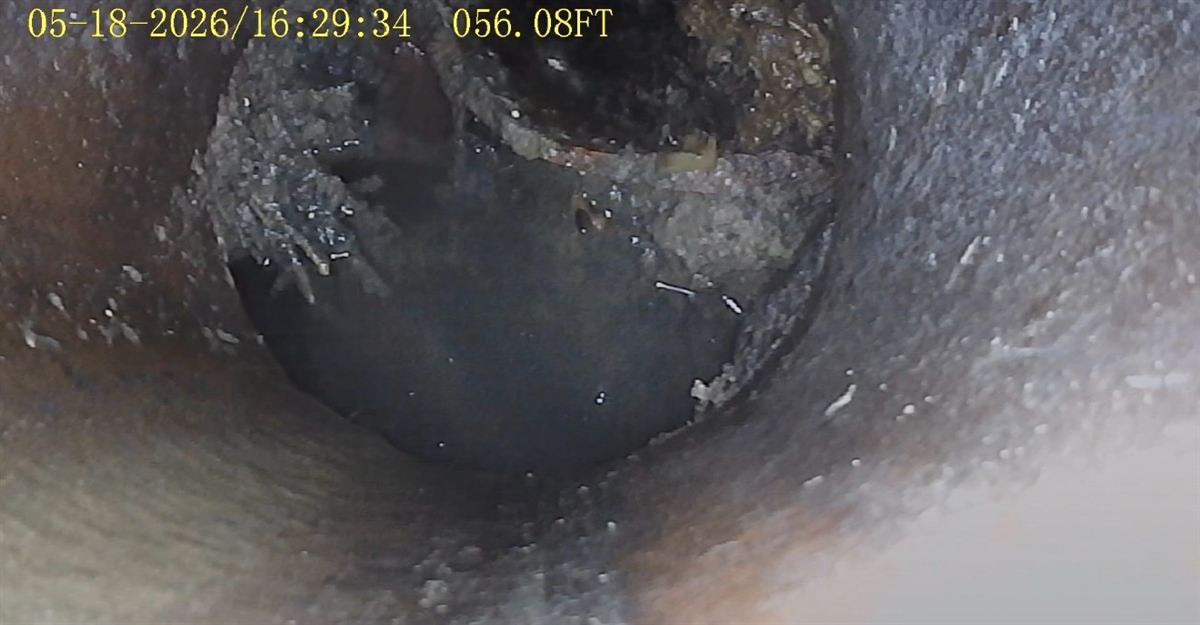
Sewer camera footage inside a drain line
The sewer camera, 56 feet down the line.

The slow tub that turned into about $15,000

Slow drainage is one of the things we write up most often: 36% of inspections. Slow drainage can come from a local clog or from a problem farther down the drain line. On this house, less than 25 years old, the report said what it usually says: slow drainage, have a plumber look.

A camera down the sewer line found roots growing into the pipe. The repair came to about $15,000. That's why a slow drain is worth asking about before closing, not after.

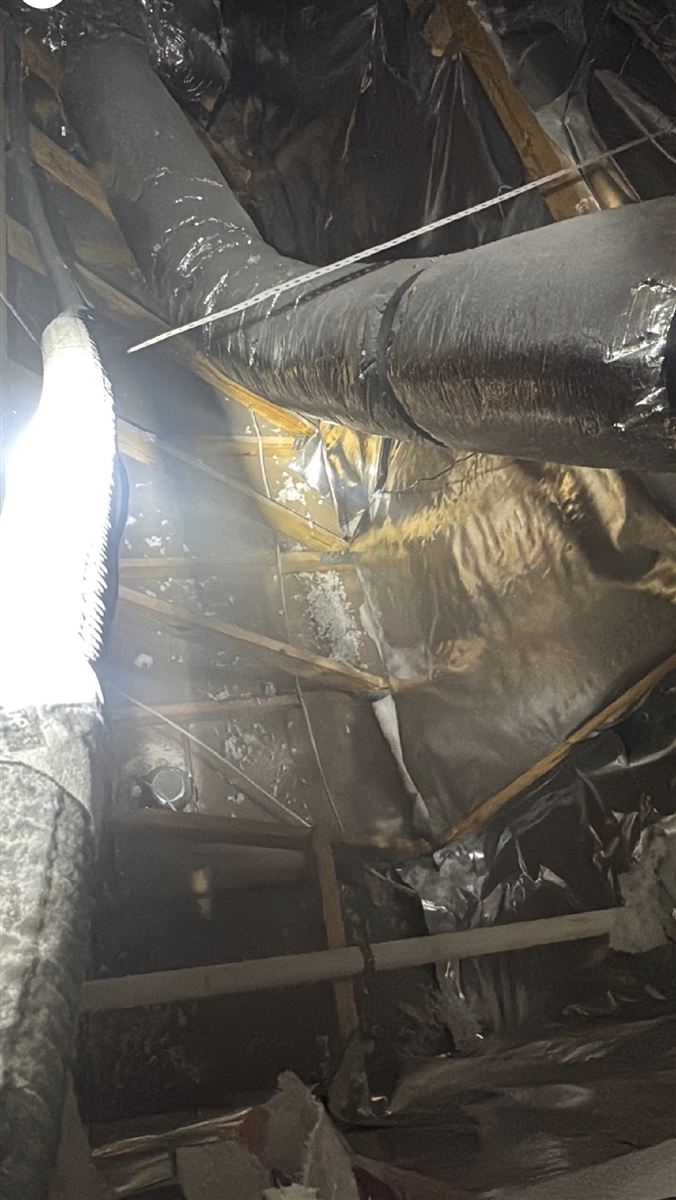
Ductwork and framing in a new-construction attic
The attic, found at the 11-month warranty inspection.

The new house with missing attic insulation

A brand-new home passed the county's inspection, and the owners closed and moved in. Their heating bills ran about $1,000 a month.

At the 11-month warranty inspection, before the builder's warranty ran out, our inspector went up into the attic and found insulation missing where it should have been. The home had passed county inspection, but insulation was still missing. New homes can have defects worth finding before closing, or before the warranty deadline.

How We Counted

Where these numbers come from.

We reviewed the recorded findings in the available summary reports from 596 buyer home inspections completed between 22 September 2025 and 21 September 2026. We excluded new construction, pre-drywall visits, re-inspections, commercial inspections and stand-alone tests. Each percentage shows how often our reports recorded that finding, counted once per inspection. These figures describe our inspections, not all Charlotte-area homes.

Want to know
what's in yours?

Same-day reports, real photos, and a straight answer about which findings are maintenance and which are money.

Call Schedule an Inspection